Transport Decarbonisation & Mobility Transformation. Driving the Transition to Sustainable Transportation.
From urban mobility plans and rapid rail assessments to multimodal integration, decarbonisation strategy, and transportation policy.
END-TO-END ADVISORY CAPABILITIES
Transportation is the backbone of economic growth, trade competitiveness, and regional integration. Today, the sector is being reshaped by rapid urbanisation, evolving mobility demands, decarbonisation imperatives, and unprecedented investments in transport infrastructure. Governments and industry leaders are reimagining how people and goods move across cities, regions, and nations through integrated networks spanning ports, shipping, inland waterways, airports, railways, metro systems, and multimodal transport corridors. Success increasingly depends on building transportation ecosystems that are connected, resilient, sustainable, and capable of unlocking long-term economic and social value.
ASCELA delivers transportation and mobility advisory across ports and shipping, shipbuilding, inland waterways, passenger and freight aviation, urban metro systems, rapid rail and regional rail, passenger and freight rail systems, electric mobility, and integrated regional transportation networks. We support governments, transport authorities, port agencies, maritime administrations, railway operators, airport developers, infrastructure investors, private sector stakeholders, and multilaterals through transportation planning, mobility strategy, travel demand forecasting, multimodal integration, infrastructure & financial feasibility studies, operational planning, transportation policy advisory, fleet electrification, transport decarbonisation, investment analysis and much more. By combining technical, commercial, operational, and sustainability expertise, we help clients develop efficient, future-ready transportation systems that strengthen connectivity, improve mobility outcomes, facilitate economic growth, and support net-zero ambitions.
Transportation infrastructure planning and investment prioritisation
Multimodal connectivity and integrated network development
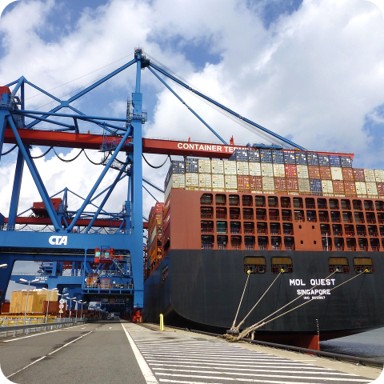
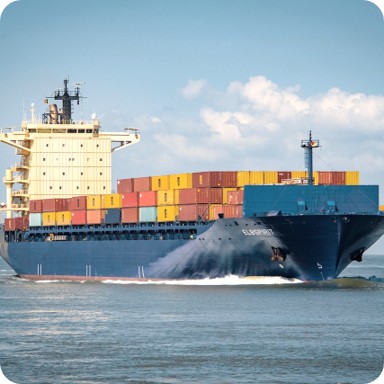
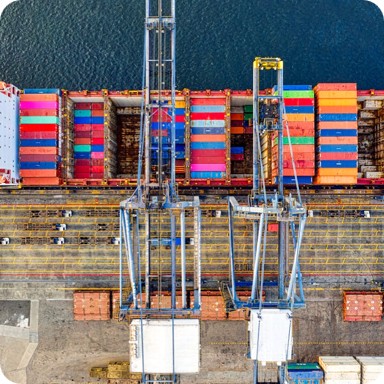
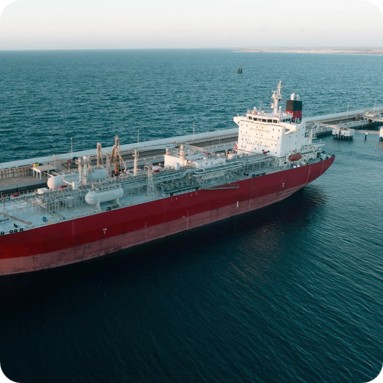
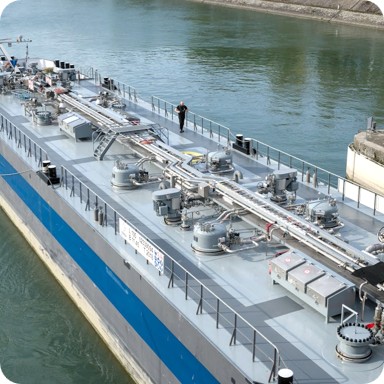
Ports, maritime transport, and inland waterway strategies
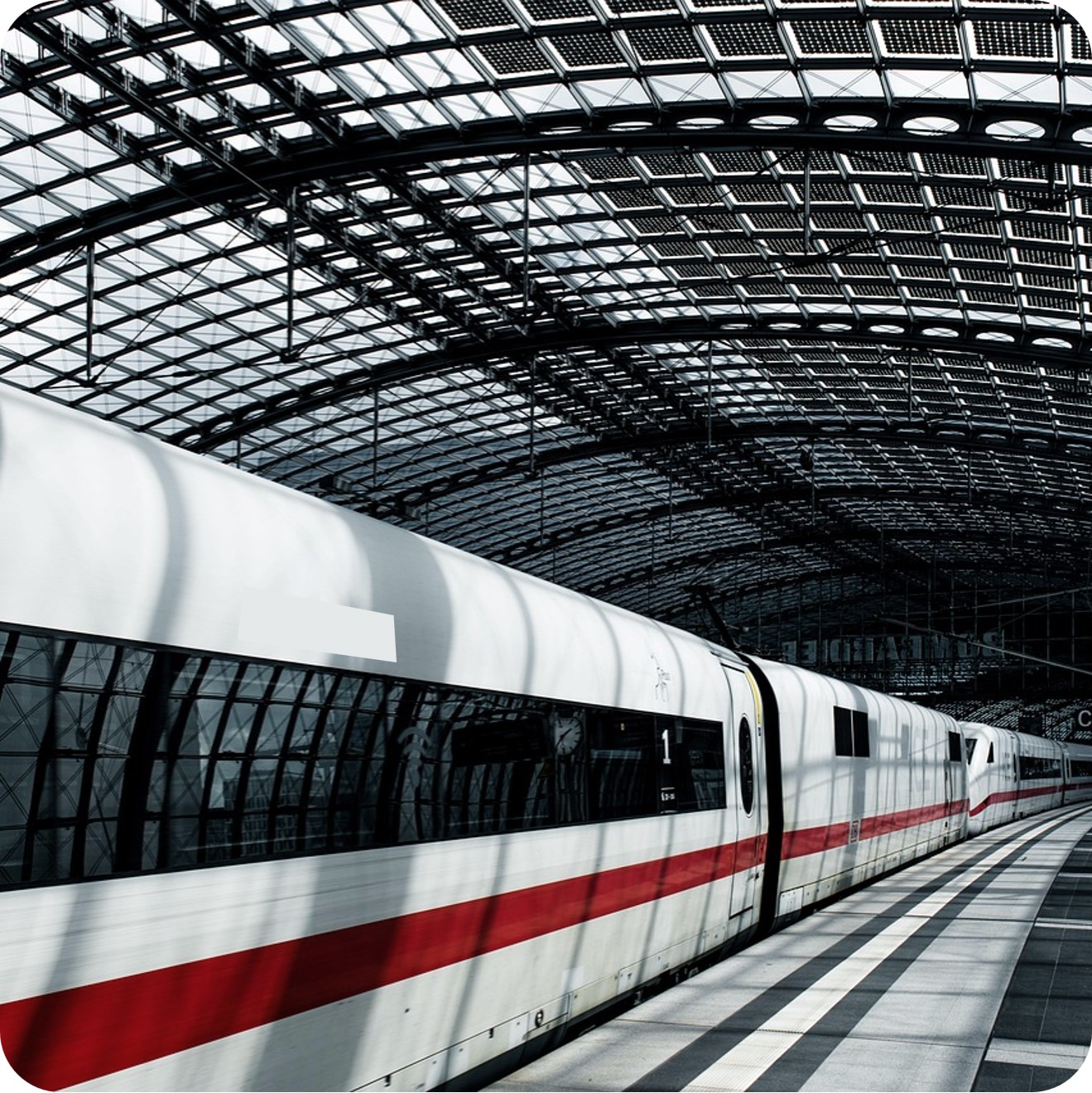
Aviation, rail, and public transport system optimisation
Travel demand forecasting and mobility analytics
Fleet electrification and transport decarbonisation.
Economic corridor, regional mobility, and connectivity planning
Transportation policy, and infrastructure commercialisation
Planning for Movement. Designing for Growth.
The most successful transportation systems are not defined by individual assets, but by how effectively they connect people, places, industries, and opportunities. As transportation infrastructure grows in scale and complexity, organisations must make strategic choices that optimise performance, maximise investment value, improve user experience, and create lasting economic benefits for communities and regions.